Mar 3, 2026
The Water Program Is the Hospitality Program
The Water Program Is the Hospitality Program
The global luxury hotel market is valued at over $170 billion and growing at more than 10% annually.¹ In a category defined by the accumulation of considered details, the properties operating at the highest level have started treating water not as a back-of-house utility but as a front-of-house signal — one that communicates standards before a dish is served, a room is seen, or a word is spoken.
What Guests Are Actually Evaluating
Research on luxury hospitality guest satisfaction identifies servicescape design, sensory and aesthetic elements, staff interactions, and sustainability practices as the primary drivers of experience quality and repeat business.² Food and beverage quality appears consistently in loyalty research — 35.8% of guests in one survey reported returning to a property specifically because of its food and beverage experience.³ Loyal guests also demonstrate higher food and beverage expenditure per stay than non-loyal guests, linking F&B quality directly to revenue intensity.⁴
Water is the first thing a guest interacts with at a table. It arrives before the menu, before the first course, and before any other decision has been made. In most properties, it receives less deliberate attention than any other element of that interaction.
The Economics of Beverage Programs
In full-service restaurants, beverages represent approximately 21% of total sales.⁵ More significantly, while food typically accounts for 60 to 70% of gross revenue, beverages account for 80% or more of gross profit dollars — a disproportionate contribution driven by higher margins and lower labor and spoilage costs.⁶ The beverage program is where restaurant economics are made.
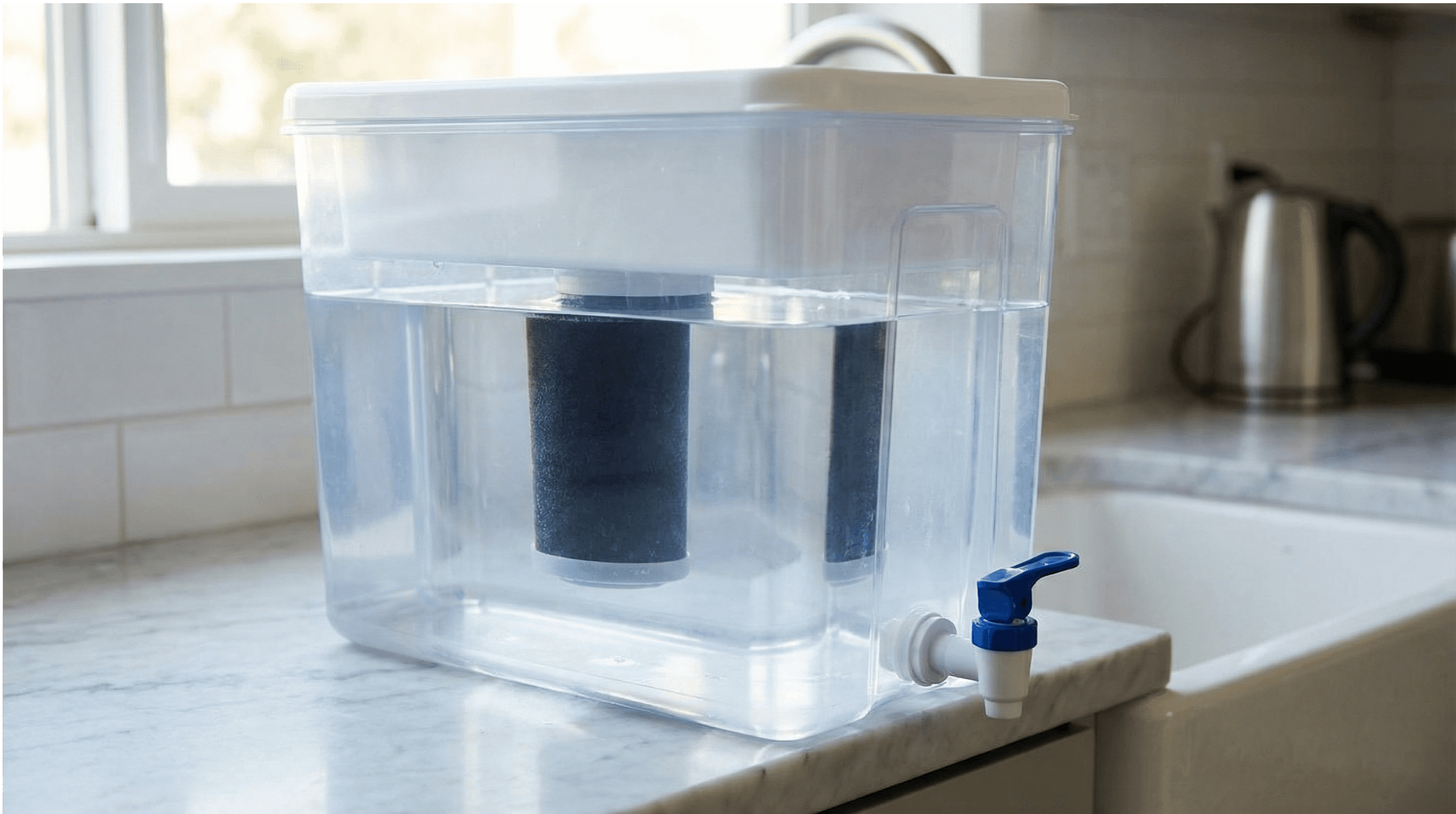
Water sits inside that program. A property that has invested in filtered still and sparkling water on demand has converted a cost line — bottled water purchasing, storage, and disposal — into a margin line. The same quality signal that serves the guest also serves the P&L.
The Plastic Problem Properties Are Already Solving
Single-use plastic water bottles represent a meaningful and increasingly visible cost for hospitality operations. The average U.S. hotel room generates up to 30 pounds of solid waste annually, with single-use packaging including beverage containers identified as a major component of hotel waste streams.⁷ A projection of PET bottle use in Dubai's tourism sector estimated cumulative greenhouse gas emissions of over 428,000 metric tons of CO₂-equivalent over 25 years from tourist water bottle consumption alone.⁸
Properties are responding. The number of Dubai hotels that ceased using PET bottles grew from 4 at the launch of a 2022 initiative to over 50 by May 2023, with major groups including IHG projecting the elimination of 200 million plastic bottles annually through operational changes.⁹ One documented hotel water partnership — a switch to filtered water and reuse systems — saved over one million bottles and 431 tons of CO₂ while generating significant charitable funding through the program.¹⁰
The movement away from single-use bottles is already underway. The question for each property is whether the transition is positioned as a cost reduction or as a quality upgrade.
What Sustainability Signals Do for a Property
Consumer research on green hotel preferences is consistent. Between 54% and over 90% of guests factor environmental practices into hotel selection depending on the study.¹¹ Approximately 62% of respondents in one survey reported willingness to pay more for an environmentally friendly hotel.¹² Hotels that communicate specific environmental initiatives — plastic reduction, water conservation, onsite filtration — achieve higher online ratings, better revisit intentions, and documented price premiums.¹³
Sustainability is not a trade-off against luxury positioning. Research on luxury hospitality experience identifies environmental responsibility as part of the sensory-aesthetic and functional dimensions that contribute to perceived brand prestige and guest loyalty.¹⁴ The properties that have understood this are treating water not as the thing they removed plastic bottles for, but as the thing they built a program around.
The Signal a Water Program Sends
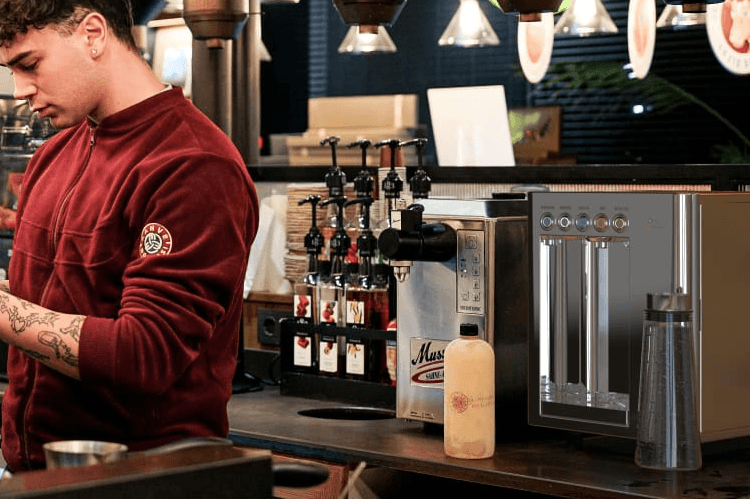
A curated water program — filtered still and sparkling on demand, served with intention, framed as a deliberate choice — communicates something specific about a property's standards. It signals that the detail work extends to things that most properties have not examined. It signals that the guest's experience has been considered at a level that goes beyond the obvious.
Research confirms that as five-star hotels abandon PET bottles and adopt premium water alternatives, the behavior cascades to four-star and lower-rated properties under competitive and peer pressure.⁸ The signal premium water sends is not permanent — it becomes table stakes. The properties that move first own the signal longest.
In premium hospitality, water is how a property communicates its standards before a dish is served or a word is spoken. The properties treating water as a program rather than a utility are operating at a different level than those that are not.
Sources
Fortune Business Insights — Global Luxury Hotel Market 2025
Journal of Laaroiba — Systematic Review of Luxury Hospitality Customer Experience
IRJMETS — Key Factors Influencing Guest Loyalty in Hotels
Repository RIT — Guest Satisfaction and Loyalty in Hotels
National Restaurant Association — Alcohol and Beverage Services Revenue Analysis
SevenFifty Daily — The New Financials of Running a Restaurant Wine Program
University of Nebraska Extension — Hotel Room Waste and Resource Use
Frontiers in Sustainable Cities — PET Bottle Impact in Dubai Tourism (2023)
Frontiers in Sustainable Cities — Dubai Can Initiative Hotel Adoption Data
Sustainable Hotel News — Focus on Water and Hotels
Grand View Research / CEUR-WS — Green Hotel Consumer Preference Research
CEUR-WS — Willingness to Pay for Green Hotels
Academia.edu — Luxury Room Amenities and Willingness to Pay
Journal of Laaroiba — Sustainability and Brand Prestige in Luxury Hospitality